

Netflix’s blockbuster acquisition of Warner Bros. has sent shockwaves through Hollywood, raising a big question for viewers and rival platforms alike: will Netflix hoard Warner TV’s biggest shows and pull them from competitors like Apple TV?
For now, the answer is no.
In a recent appearance at the UBS Global Media and Communications Conference, Netflix co-CEO Ted Sarandos made it clear that Warner Bros. Television will continue doing what it has done for decades: producing shows and licensing them widely across the industry, even to Netflix’s direct rivals.
That means Apple TV’s flagship series made by Warner Bros. Television — including “Ted Lasso,” “Shrinking,” “Bad Monkey,” and “Presumed Innocent” — are not suddenly about to vanish into Netflix exclusivity.
The Deal That Changed the Streaming Landscape
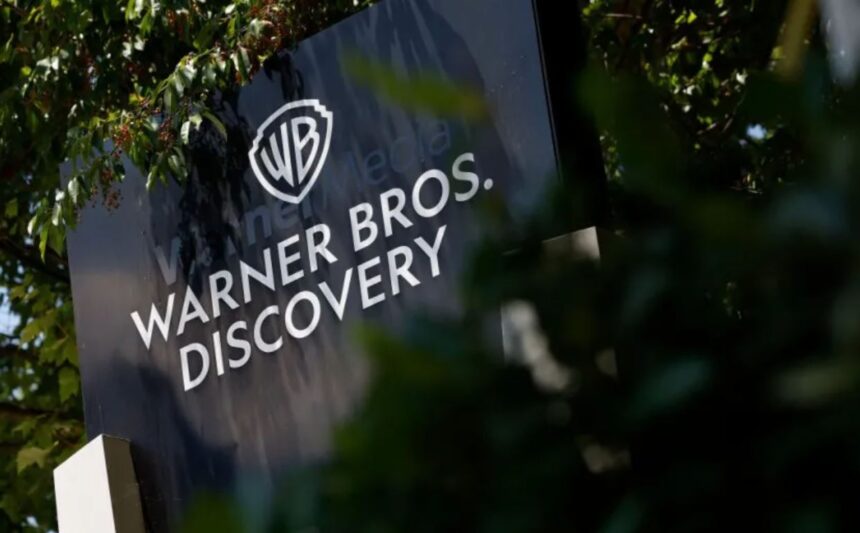
Earlier this month, Netflix and Warner Bros. Discovery announced a huge agreement: Netflix will acquire Warner Bros.’ film, TV, video game studios, HBO/HBO Max, DC Entertainment, and major licensing and distribution operations, in a deal valuing the company at around $82–83 billion.
The deal effectively turns Netflix from “just” a streaming platform and producer of originals into the owner of one of Hollywood’s most storied studios. Warner’s library ranges from DC superheroes to prestige HBO dramas and a massive slate of broadcast and streaming television hits.
At the same time, Warner Bros. Discovery’s traditional TV assets — such as CNN and Discovery’s linear channels — are being split off, while rival Paramount has launched a hostile counter-bid for the entire company, arguing it can offer more cash and clearer regulatory paths than Netflix.
Amid all that corporate drama, one fear kept coming up in industry conversations: would Netflix use its new ownership to wall off Warner TV shows and force fans to subscribe to Netflix (or HBO Max) to watch them?
Sarandos: “We Want Them to Keep Doing That Phenomenal Job”
At UBS’s media conference, Sarandos addressed that concern head-on. He praised Channing Dungey, the former Netflix executive who now runs Warner Bros. Television Group, calling her team “phenomenal” and saying he wants them to continue doing what they already do so well: make shows and sell them across the marketplace.
Before the Warner deal, Netflix mostly made its “Netflix Originals” for itself, rarely licensing those titles to third-party platforms. Warner Bros., by contrast, has always operated as a classic Hollywood studio: produce a show, then license it wherever the best deal is, broadcast networks, cable channels, streamers, and international buyers.
Sarandos’ comments make clear that Netflix sees value in that traditional model. With Warner now inside the company, Netflix isn’t shutting down that business; it’s inheriting and expanding it.
In other words, Netflix doesn’t just want to be the biggest streaming destination. It also wants to be one of the industry’s main suppliers of content, even to competitors.
What This Means for Apple TV and Other Rivals
For Apple TV in particular, this reassurance matters a lot.
Many of Apple TV+’s biggest critical and commercial hits actually come from Warner Bros. Television, not Apple’s in-house studios. “Ted Lasso” and “Shrinking” are both Warner-produced series. “Bad Monkey,” the crime-comedy with Vince Vaughn, is another high-profile Apple original that comes from Warner Bros. Television under showrunner Bill Lawrence.
Reports from Apple-focused outlets have already noted that these shows have new seasons in the works, and none of them are being quietly pulled or redirected to Netflix or HBO Max as a result of the deal.
Sarandos’ latest promise suggests two key things:
- Existing Warner-produced hits on rival platforms, like Apple TV+, are likely to stay put for the duration of their current licensing deals.
- Warner Bros. Television will continue pitching and producing new shows for third-party streamers, including Apple TV, as long as the numbers make sense.
That doesn’t mean nothing will ever change. Once individual licensing contracts expire, Netflix will have decisions to make about renewals, pricing, and where new rights windows go. But the company is signalling that it sees ongoing third-party licensing as a profit centre, not a legacy problem to phase out.
Why Netflix Wants to Share – Not Just Own – Warner IP
On the surface, it might seem strange that Netflix would spend tens of billions on Warner Bros. only to keep feeding hits to rivals. But there are some clear strategic reasons behind it.
First, owning a studio with a strong third-party licensing business gives Netflix diversified revenue. Instead of relying solely on subscriptions and advertising from its own platform, it can earn billions more by selling shows to others, just as Sony or Universal does.
Second, staying in the licensing game keeps Netflix plugged into the broader industry ecosystem. By continuing to work with Apple, broadcast networks, and international buyers, Warner Bros. Television maintains deep creative and commercial relationships that can feed back into Netflix in the long term.
Third, the numbers don’t lie: shows like “Ted Lasso” have become global phenomena precisely because they were positioned in ways that best suited each platform’s audience and brand. If Apple TV+ is the perfect home for certain prestige comedies or dramas, Netflix can still benefit, as the owner of the studio that cashes the checks.
In a crowded streaming market where pure subscriber growth is slowing, owning a studio that functions as both “arms dealer” and creative engine looks less like a contradiction and more like smart hedging.
What Viewers Should Expect Next
For everyday viewers, especially those juggling multiple subscriptions, the short-term takeaway is reassuring:
- Your favourite Warner-produced series on services like Apple TV+ are not about to disappear overnight into Netflix’s walled garden.
- New seasons already announced — from established hits like “Ted Lasso” and “Shrinking” to newer series like “Bad Monkey” — are still moving forward on their current platforms.
Longer term, there are still open questions. As licensing deals come up for renewal, will Netflix push for higher prices? Will it want certain shows back exclusively after a few seasons on rival services? Could future Warner-produced projects be structured with shorter external windows before landing on Netflix?
Those answers will depend on how regulators view the deal, how fierce the competition remains, and how valuable big, buzzy shows are to the smaller platforms that license them.
For now, though, Sarandos’ message is clear: Netflix wants the Warner TV machine to keep humming, and that means continuing to sell stories to whoever is willing to pay, even if those stories help competing apps stay in the game.
In an era where every streamer feels like a separate island, that might be the most surprising twist of all: the new king of streaming is betting that sharing, not hoarding, could be the smarter business move.